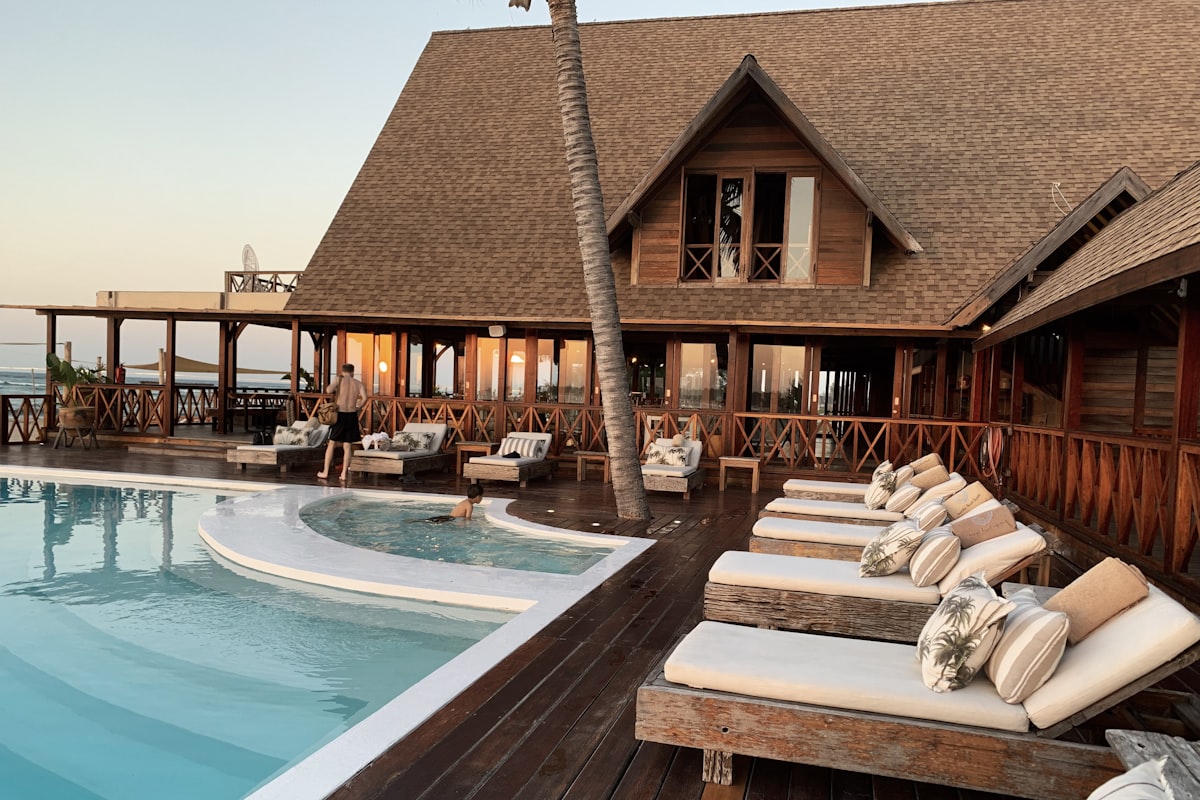
Your boutique hotel in Cabo can have the best rooms, the best view and the best service in the area, and still lose bookings every day for one reason: it doesn't show up when the traveler searches where to stay. In a destination where almost the entire lodging decision is made online and before traveling, being invisible on Google isn't a marketing detail: it's money going straight to the competition.
And the hardest part to accept is that these losses are invisible. There's no client standing at your front desk you had to turn away. They simply never arrived, because they found another hotel first. Let's put numbers and solutions to that invisible problem.
The Cabo traveler decides their lodging online, months ahead
The tourist coming to Cabo —especially from the US and Canada, who spends the most— plans their trip weeks or months in advance. They search Google for "where to stay in Cabo", "best boutique hotels Cabo San Lucas", "hotels near the beach Cabo". They compare photos, read reviews, check prices, and book. All of that happens before boarding the plane, and almost always without talking to anyone.
If at that critical moment your hotel doesn't appear —not in Google results, not on the map, not in the first options— you simply aren't part of their decision. It doesn't matter how good you are: for that traveler you don't exist. They booked the hotel that did show up, which often isn't better than yours, just better positioned.
The real cost of being invisible
Let's think in simple numbers. If your hotel fails to capture even two or three direct bookings a day because you don't show up in searches, multiply that by your average rate and by the days in the year. The figure is alarming. And that's just what you lose by not appearing; it doesn't include what you overpay in commissions when those bookings do arrive, but through an intermediary.
Invisibility on Google has a double cost: the bookings that never arrive, and the dependence on OTAs (Booking, Expedia) for the ones that do, which charge commissions between 15% and 25% per night. A hotel that doesn't control its own visibility ends up renting its guests from a third party, at a third party's price.
The review and the photo decide for you
In the lodging world, two things weigh more than any description: photos and reviews. A traveler to Cabo who sees professional photos and dozens of positive reviews trusts and books. One who sees dark phone photos and three old reviews moves on. Your digital presence —Google Business Profile, your site, your profiles— is what communicates that trust, and most boutique hotels keep it neglected.
How to recover those bookings
- Optimize your Google presence for the terms travelers search, in English and Spanish.
- Work your Google Business Profile: professional photos, fresh reviews, complete and updated information.
- Have a fast, beautiful site that invites direct booking, without intermediary commissions.
- Build a review flow: ask for them systematically from every satisfied guest.
- Appear where the international traveler searches, with content in their language answering where to stay in Cabo.
Owning your visibility is independence
Every booking you capture directly is a booking you pay no commission on, and a guest whose relationship is yours, not Booking's. Investing in appearing on Google isn't just another marketing expense: it's building your own booking channel that, over time, frees you from OTA dependence and improves your margin on every night sold.
Your boutique hotel in Cabo competes with chains that have entire marketing departments. You can't match their budget, but you can be smarter and more local: own your niche, your area and your guest type. That's where a well-positioned boutique hotel beats a generic chain.
At Marketing Eleven we help boutique hotels in Cabo appear where travelers search and recover direct bookings. See how we position hotels in Cabo.